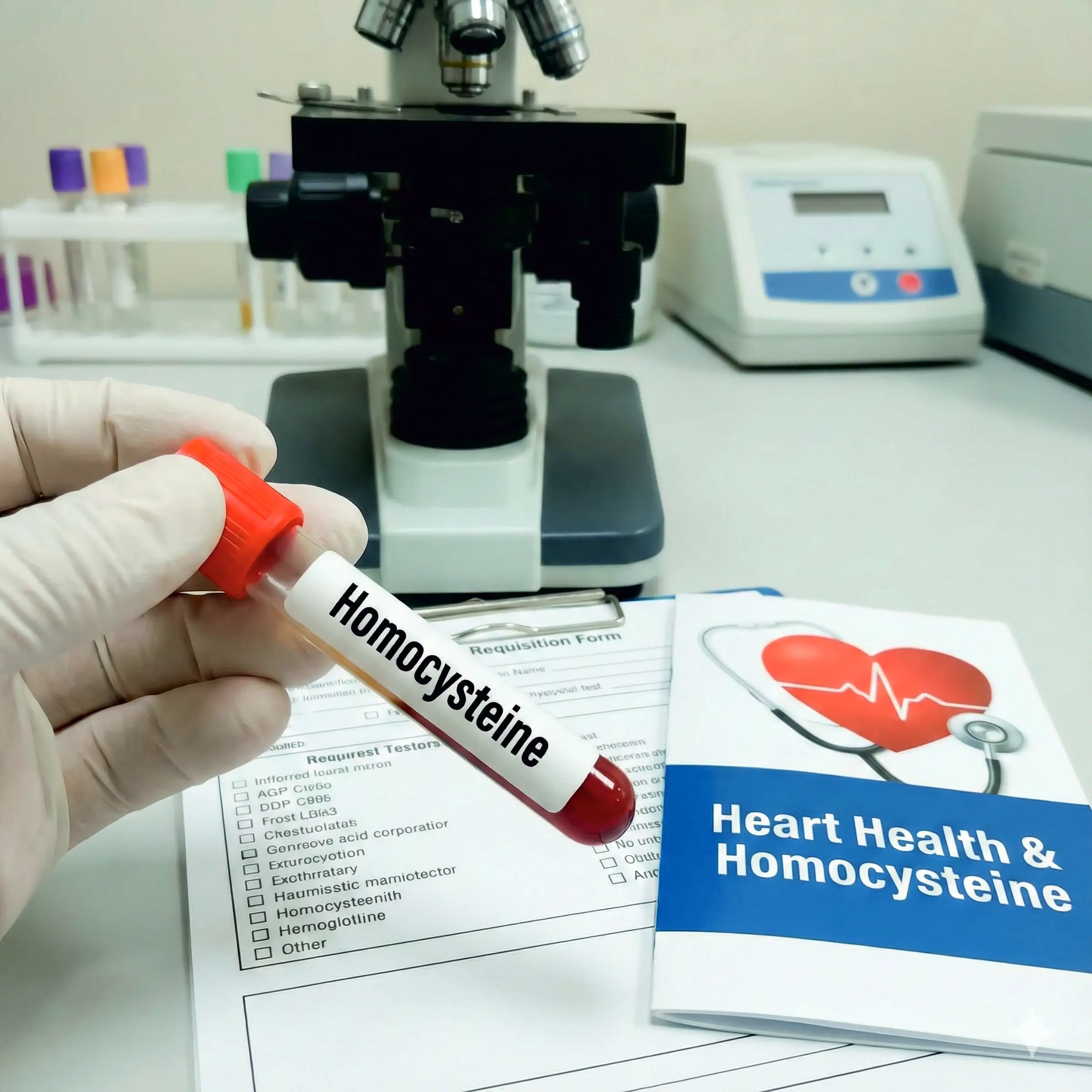

Homocysteine Test and Its Link to Heart Health
What is Homocysteine?
Homocysteine is an amino acid produced in the body during the metabolism of protein. Normally, it is broken down with the help of vitamins like B6, B12 and folate. When homocysteine levels become too high, a condition called hyperhomocysteinemia occurs, which has been linked to cardiovascular problems and other health concerns.
A homocysteine blood test is used to measure the levels of this amino acid in the blood and can serve as an important marker of heart health.
Key Facts About Homocysteine and Heart Health
- High Homocysteine and Cardiovascular Disease
Elevated homocysteine levels are associated with an increased risk of atherosclerosis (hardening of arteries), which can lead to heart attacks, strokes and peripheral artery disease. - Role of Vitamins
Deficiencies in Vitamin B12, Vitamin B6 and folate are common causes of high homocysteine. These vitamins help convert homocysteine into other useful substances in the body. - Other Health Risks
Besides cardiovascular disease, high homocysteine may also contribute to cognitive decline, dementia, osteoporosis and complications in pregnancy. - Risk Factors
Lifestyle and genetic factors can influence homocysteine levels. These include:
- Poor diet lacking in B vitamins
- Smoking and excessive alcohol intake
- Kidney disease
- Certain genetic mutations (such as MTHFR gene mutation)
Why the Homocysteine Test is Important
- Early Risk Detection: Identifies individuals at higher risk of cardiovascular diseases.
- Nutritional Insight: Helps detect vitamin deficiencies that can be corrected with diet or supplements.
- Monitoring: Useful for patients with a history of heart disease or stroke to track ongoing risk.
- Preventive Health: Encourages early lifestyle and dietary changes before complications arise.
How the Test is Done
The homocysteine test is a simple blood test performed after fasting for 8–12 hours. A healthcare professional draws blood from a vein in the arm and results are usually available within a day.
- Normal Range: Typically 5–15 µmol/L
- Borderline High: 15–30 µmol/L
- Moderately High: 31–100 µmol/L
- Severely High: >100 µmol/L
Lowering Homocysteine Levels
- Dietary Changes: Eat foods rich in folate (leafy greens, beans, citrus), Vitamin B6 (bananas, potatoes, poultry) and Vitamin B12 (fish, dairy, eggs).
- Supplements: If dietary intake is insufficient, B-vitamin supplements may be prescribed.
- Lifestyle Habits: Quit smoking, limit alcohol, exercise regularly and maintain a healthy weight.
- Medical Management: For people with genetic mutations or other conditions, doctors may recommend targeted therapies.
Conclusion
A homocysteine test provides valuable insight into heart health and overall wellness. Elevated levels can silently increase the risk of cardiovascular disease, but with timely testing, proper nutrition and lifestyle changes, the risks can be significantly reduced. If you have a family history of heart disease or symptoms of vitamin deficiency, talk to your doctor about whether a homocysteine test is right for you.