
Serum Albumin Test: A Marker of Nutrition and Liver Health
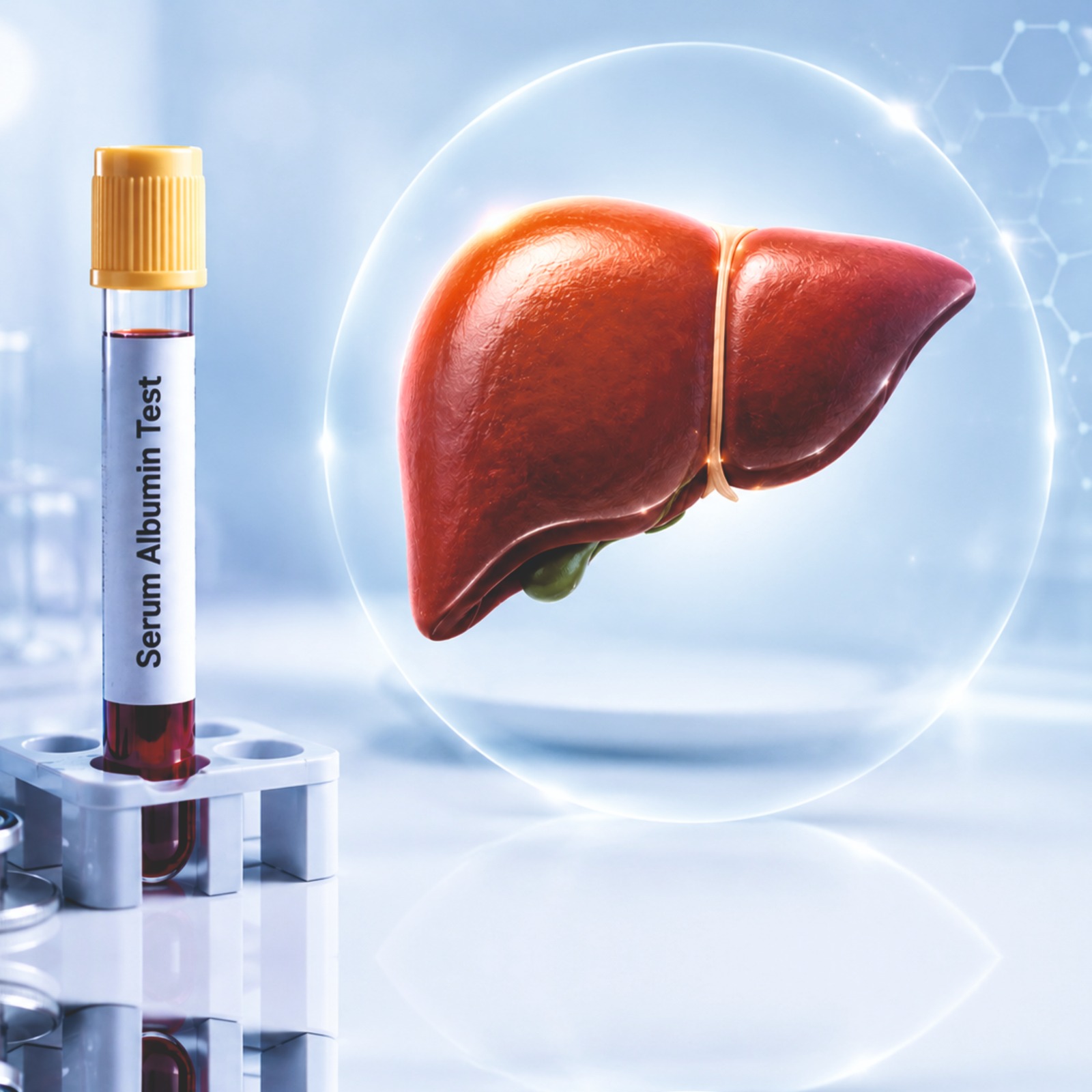
The Serum Albumin Test is a simple blood test that measures the level of albumin, the most abundant protein produced by the liver. Albumin plays a vital role in maintaining overall health by supporting several important body functions. Since it is made in the liver, its levels can provide valuable information about liver function, nutritional status, and certain medical conditions.
What Does Albumin Do?
Albumin has several essential functions in the body, including:
- Maintains fluid balance by preventing fluid from leaking out of blood vessels.
- Transports hormones, vitamins, medications, and nutrients throughout the body.
- Supports tissue growth and repair, especially during recovery from illness or injury.
What Can Low Albumin Levels Indicate?
Low albumin levels (hypoalbuminemia) may be associated with:
- Poor nutrition or inadequate protein intake.
- Liver diseases, such as hepatitis or cirrhosis, where albumin production is reduced.
- Kidney diseases, where albumin is lost through urine.
- Chronic inflammation, infections, or digestive disorders that affect protein production or absorption.
Why Is the Serum Albumin Test Important?
Doctors often recommend this test as part of routine health evaluations or liver function tests. It helps assess nutritional status, monitor liver and kidney health, evaluate chronic illnesses, and track recovery after surgery or prolonged illness. The test requires only a small blood sample and is quick and convenient to perform.
Conclusion
The Serum Albumin Test is a valuable tool for assessing nutrition and organ health. When interpreted along with other laboratory tests and clinical findings, it can help detect underlying health problems early and guide appropriate treatment, contributing to better overall health outcomes.