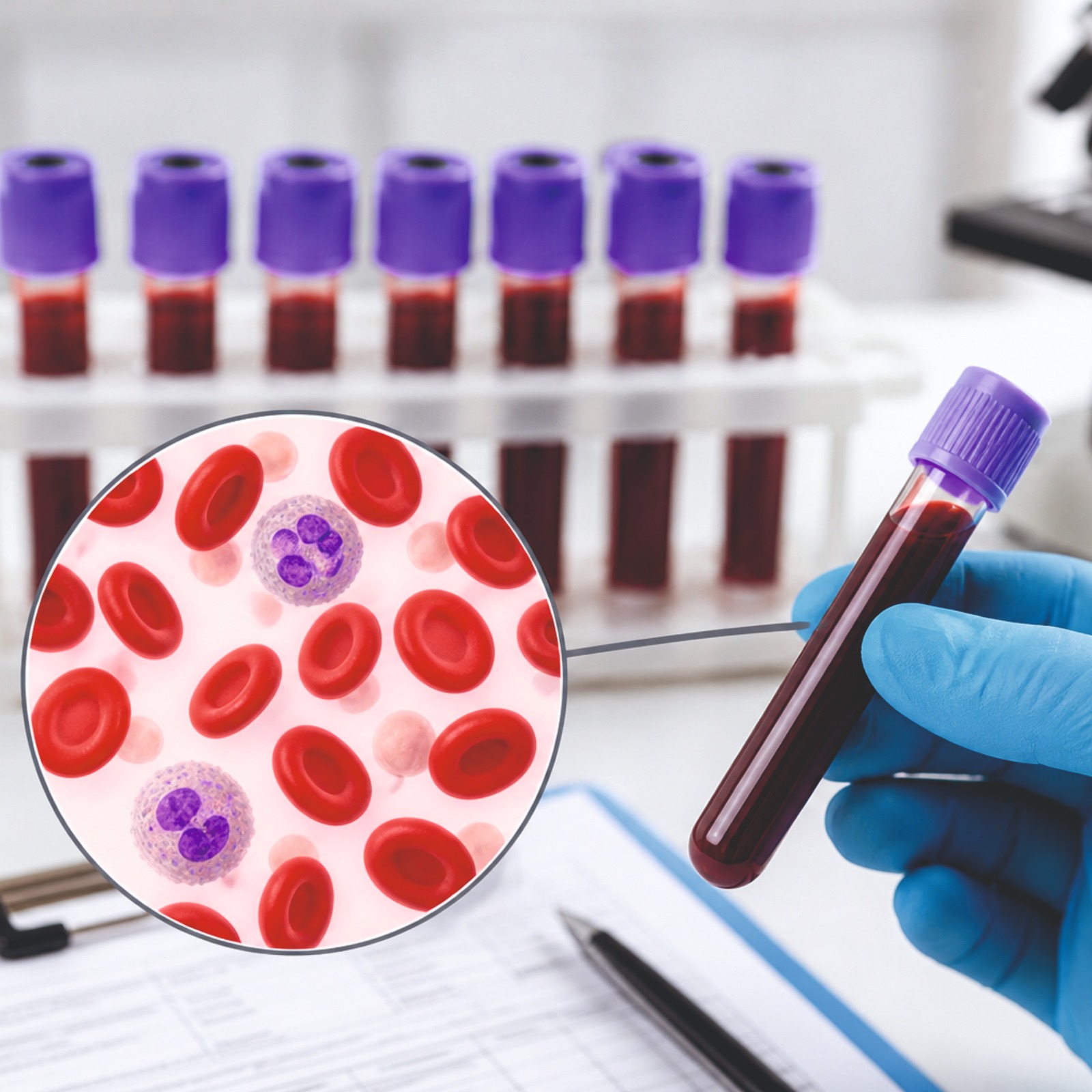

The Importance of Complete Blood Count (CBC) in Routine Check-ups
A Complete Blood Count (CBC) is one of the most commonly recommended blood tests during routine health check-ups. It provides valuable information about your overall health by measuring the different types of cells in your blood. A CBC can help detect a wide range of conditions early, even before symptoms appear, making it an important tool for preventive healthcare.
What Does a CBC Measure?
A Complete Blood Count evaluates several key components of your blood, including:
- Red Blood Cells (RBCs): Carry oxygen from the lungs to the rest of the body.
- Hemoglobin (Hb): The protein in red blood cells that transports oxygen.
- White Blood Cells (WBCs): Help the body fight infections and support the immune system.
- Platelets: Help blood clot and prevent excessive bleeding.
Why Is a CBC Important?
A CBC can help identify or monitor several health conditions, such as:
- Anemia, which may cause fatigue, weakness, and shortness of breath.
- Infections, indicated by abnormal white blood cell counts.
- Inflammation or immune system disorders.
- Blood disorders, including certain types of leukemia and clotting disorders.
- Nutritional deficiencies, such as iron, vitamin B12, or folate deficiency.
Doctors also use CBC results to monitor ongoing medical conditions and assess the effectiveness of treatments.
Conclusion
A Complete Blood Count (CBC) is a simple, quick, and informative blood test that offers valuable insights into your overall health. Including a CBC as part of your routine health check-up can help detect underlying conditions early, allowing timely treatment and better long-term health outcomes. Regular preventive screening is an important step toward maintaining good health.