
Malaria: Key Facts and Diagnostic Tests
What is Malaria?
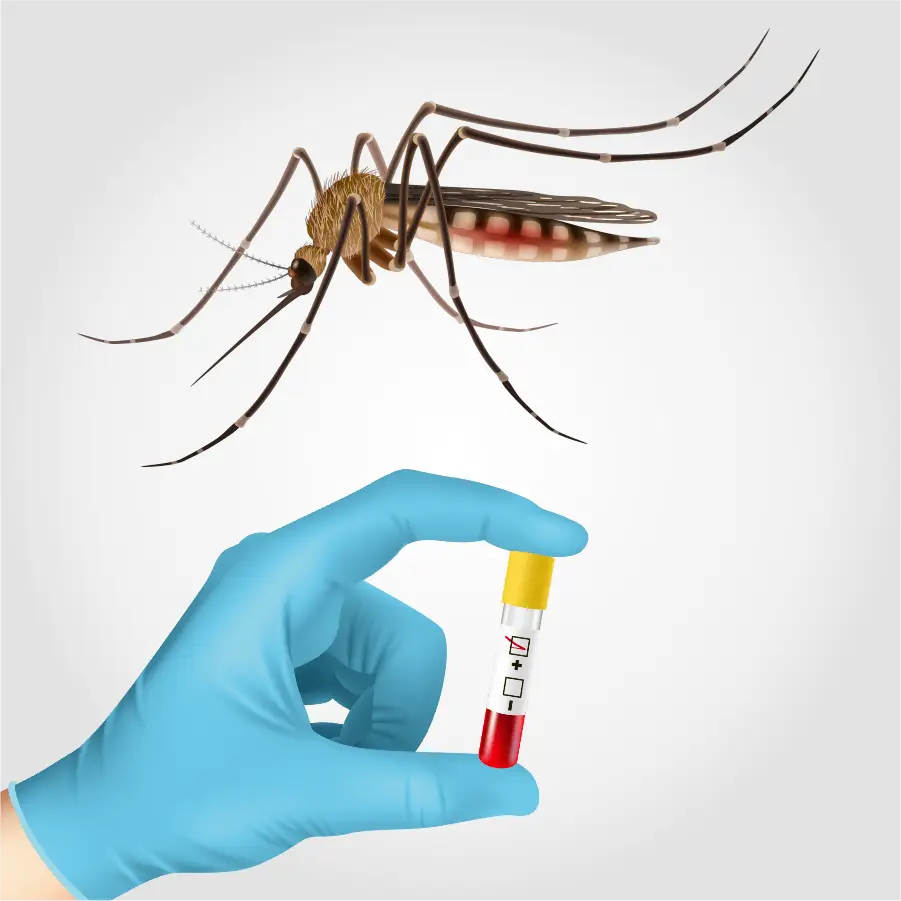
Malaria is a serious disease caused by Plasmodium parasites that can be fatal. These parasites are spread to humans through the bites of infected female Anopheles mosquitoes. When the mosquito bites, it transfers the parasite into the bloodstream, where it first reaches the liver and then infects red blood cells.
There are five species of Plasmodium that are responsible for causing malaria in humans:
- Plasmodium falciparum (the most dangerous species)
- Plasmodium vivax
- Plasmodium ovale
- Plasmodium malariae
- Plasmodium knowlesi (rare, but it can be found in Southeast Asia)
Key Facts About Malaria
- Transmission: Malaria is primarily transmitted by Anopheles mosquitoes, but it can also be transmitted through blood transfusions, organ transplants, or shared needles. Congenital malaria (from mother to child) is another rare mode of transmission.
- Symptoms: The symptoms of malaria typically appear 10-15 days after being bitten by an infected mosquito. Common symptoms include:
- Fever (often cyclical)
- Chills and sweating
- Fatigue and weakness
- Headache
- Muscle and joint pain
- Nausea and vomiting
- Anaemia
In severe cases, malaria can result in organ failure, coma, and even death. If left untreated, Plasmodium falciparum malaria can progress rapidly and become fatal.
- Risk Factors: People living in malaria-endemic areas are at the highest risk, but travellers to these regions can also contract malaria. Pregnant women and young children are especially vulnerable to severe malaria and its complications.
- Prevention: Malaria prevention revolves around avoiding mosquito bites and taking anti-malarial medications when traveling to affected areas. Effective methods include:
- Insect repellent: Using insect repellent on exposed skin.
- Mosquito nets: Sleeping under mosquito nets.
- Antimalarial drugs: Taking prescribed medications before, during and after travel to high-risk areas.
- Environmental control: Reducing mosquito breeding grounds by eliminating stagnant water where mosquitoes lay eggs.
Diagnostic Tests for Malaria
Diagnosing malaria is crucial for early treatment and preventing complications. Several diagnostic tests are available to confirm the presence of the Plasmodium parasite in the blood.
- Microscopy (Blood Smear Test): A healthcare professional takes a small sample of blood and spreads it on a slide, stains it and examines under a microscope. The Plasmodium parasites, if present, can be identified based on their size, shape, and stage of development.
- Rapid Diagnostic Tests (RDTs): RDTs are immunochromatographic tests that detect specific antigens or proteins produced by the Plasmodium parasites in the blood. These tests are similar to home pregnancy tests but are specifically designed to diagnose malaria.
- Polymerase Chain Reaction (PCR) Testing: PCR testing is a molecular technique that amplifies and detects the genetic material of the Plasmodium parasite. It is highly sensitive and specific, making it effective even for detecting low levels of infection.
- Serological Tests: Serological tests detect antibodies or antigens specific to Plasmodium infection in the blood. These tests are typically used for epidemiological studies rather than routine diagnosis.
Treatment for Malaria
Once diagnosed, malaria can usually be treated with antimalarial medications. The type of medication and the duration of treatment depend on the Plasmodium species, the severity of the disease, and the geographical region where the infection was acquired. Common treatment options include:
- Artemisinin based Combination Therapies (ACTs): The first-line treatment for Plasmodium falciparum malaria, ACTs combine artemisinin with other drugs to enhance effectiveness and prevent resistance.
- Chloroquine: Often used to treat Plasmodium vivax malaria in areas where the parasite remains sensitive to the drug.
- Cinchona Alkaloids like Quinine: Used in combination with other drugs to treat severe malaria, particularly in cases of Plasmodium falciparum infection.
- Primaquine: Administered to eliminate the liver stages of Plasmodium vivax and prevent relapse.
Conclusion
Malaria remains a significant global health challenge, but with timely diagnosis and effective treatment, it is possible to manage and even eliminate this disease. If you are traveling to malaria-endemic areas, be sure to take preventive measures and seek medical advice if you develop symptoms.