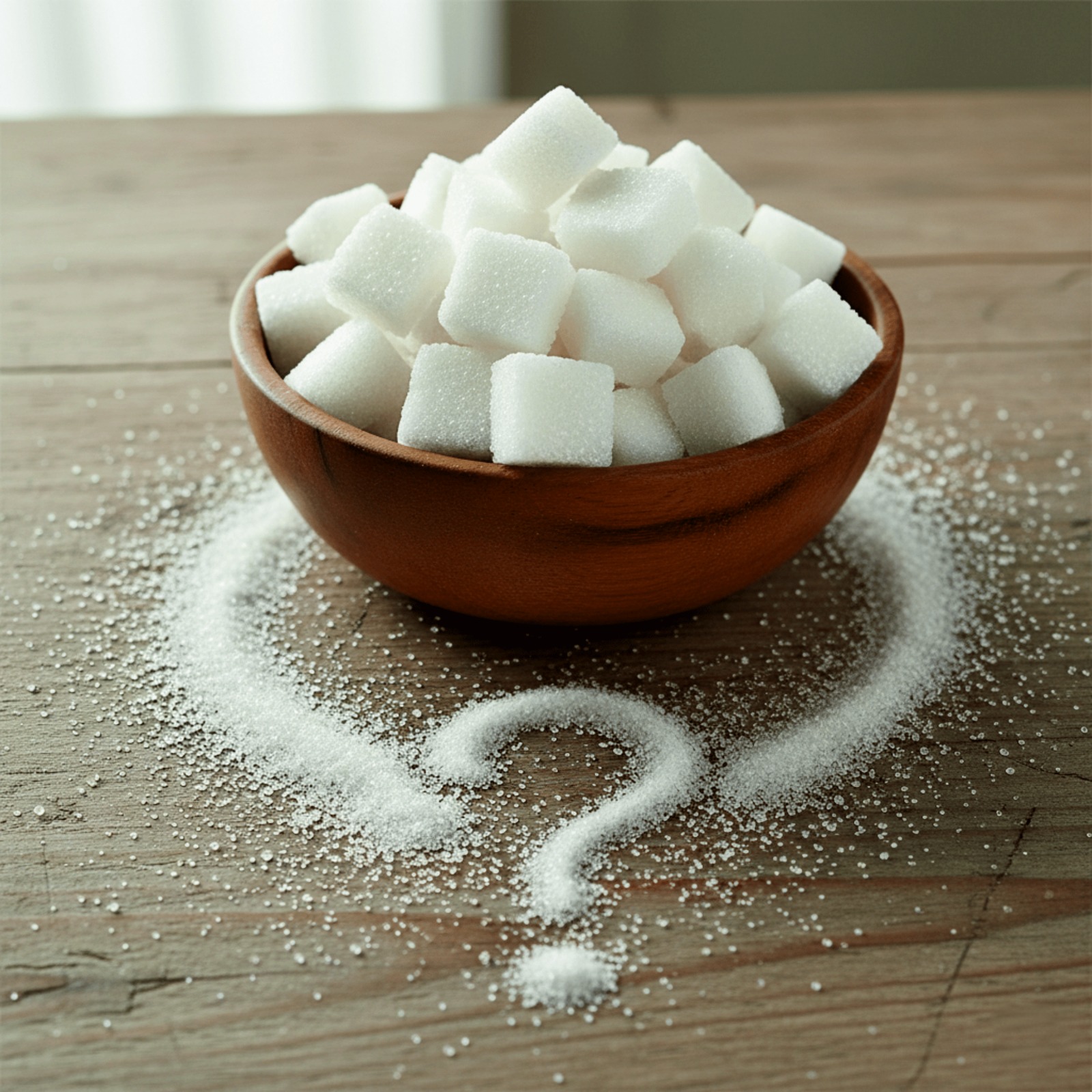

Hidden Sugars in Everyday Foods You Should Watch Out For
What are Hidden Sugars?
Hidden sugars are added sugars that are present in foods and drinks but not always obvious to consumers. They are often disguised under different names on ingredient labels and found in items that may not even taste sweet. Consuming too much hidden sugars contributes to weight gain, diabetes, heart disease, tooth decay, and overall poor health.
Unlike natural sugars (such as those in fruits and milk), hidden sugars are added during processing or preparation. They provide empty calories with little to no nutritional value, making them a major health concern.
Key Facts About Hidden Sugars
- Where They Are Found
Hidden sugars are present in a wide variety of everyday foods, including:- Breakfast cereals and granola bars
- Packaged fruit juices and soft drinks
- Energy drinks and sports drinks
- Bread, pasta sauces, and ready-made soups
- “Low-fat” or “diet” products (often compensated with artificial sweeteners
sugar to improve taste)
- Health Risks of Hidden Sugars
Overconsumption of added sugars can lead to:- Obesity and weight gain
- Type 2 diabetes
- Increased risk of heart disease
- Fatty liver disease
- Tooth decay and cavities
- Low energy and sugar “crashes”
- Recommended Intake
- The World Health Organization (WHO) recommends limiting added sugar intake to less than 10% of daily calories, ideally below 5% for additional health benefits.
- For an adult, this means about 25–50 grams of sugar per day (6–12 teaspoons).
- How to Identify Hidden Sugars
- Always check the nutrition label for “added sugars.”
- Look at the ingredient list—if sugar or its substitutes are among the first three ingredients, the product is high in sugar.
- Be cautious with “healthy-looking” packaged foods, as they may contain as much sugar as desserts.
How to Reduce Hidden Sugar Intake
- Choose Whole Foods – Fresh fruits, vegetables, whole grains, and unprocessed proteins have naturally lower sugar levels.
- Read Labels Carefully – Learn to recognize different names for sugar on ingredient lists.
- Limit Sugary Drinks – Replace soda, packaged juices, and energy drinks with water, herbal teas, or fresh fruit-infused water.
- Opt for Unsweetened Options – Buy plain yogurt, cereals, and nut butters without added sugar.
- Cook at Home – Preparing meals from scratch helps control the amount of sugar added.
- Gradual Reduction – Reduce sugar in coffee, tea, or in recipes little by little to adjust your taste preferences.
Conclusion Hidden sugars lurk in many foods we consume daily, often without us realizing it. Over time, excess sugar intake can harm overall health, increasing the risk of obesity, diabetes, and heart disease. By becoming aware of where hidden sugars are found, reading labels carefully, and making healthier food choices, you can take control of your diet and protect your long-term health