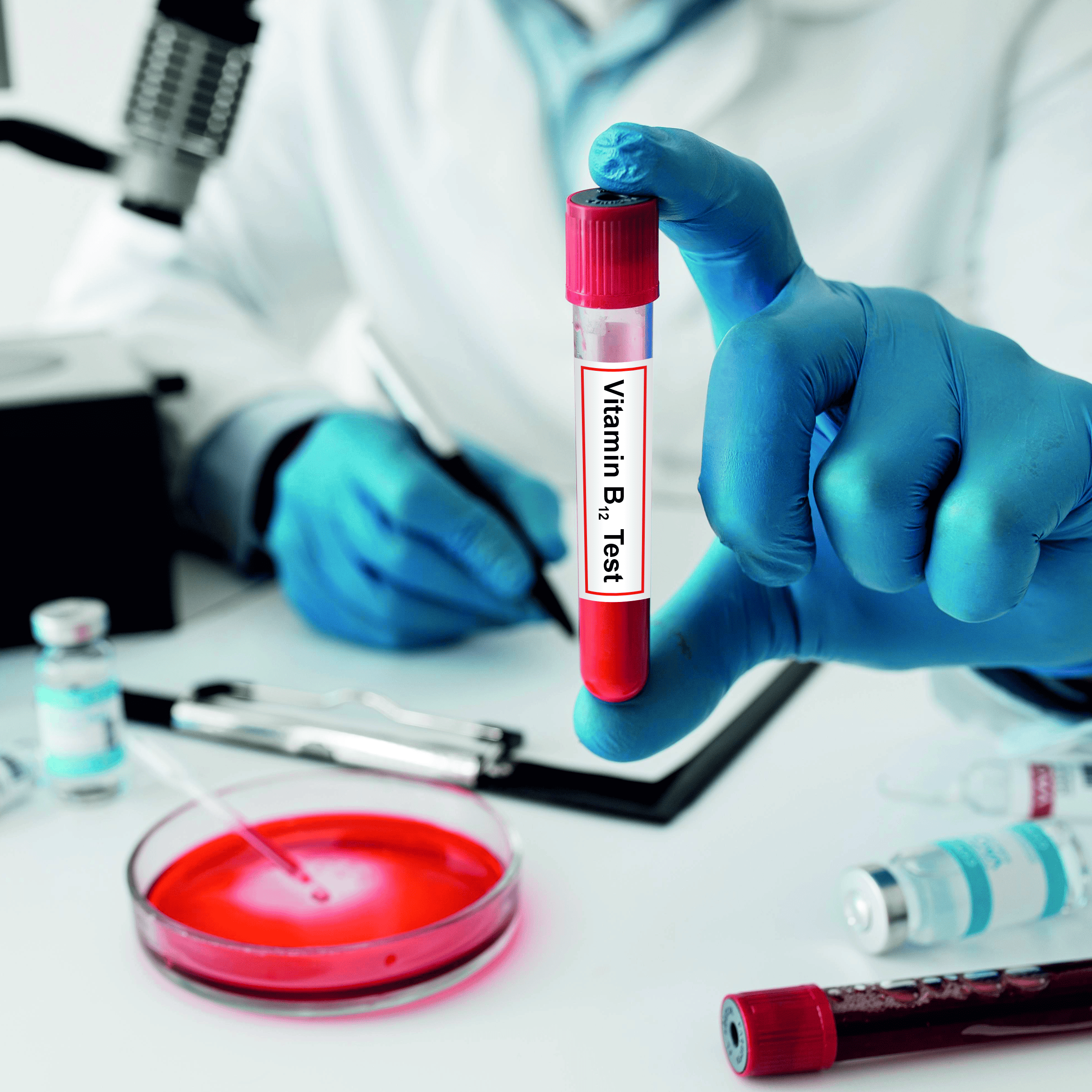

Vitamin B12 Test: Why It’s More Important Than You Think
What is Vitamin B12?
Vitamin B12, also known as cobalamin, is an essential water-soluble vitamin that plays a crucial role in the body. It supports red blood cell formation, neurological function, and DNA synthesis. Since the human body cannot produce Vitamin B12 on its own, it must be obtained through diet (mainly animal-based foods) or supplements.
Deficiency in Vitamin B12 can lead to a range of health problems, from fatigue and weakness to serious neurological and cognitive issues if left untreated.
Key Facts About Vitamin B12
- Functions of Vitamin B12
- Helps in the production of red blood cells.
- Maintains the health of the nervous system.
- Supports DNA synthesis and cell division.
- Aids in energy production and metabolism.
- Sources of Vitamin B12
- Found naturally in animal-based foods: meat, poultry, fish, dairy, and eggs.
- Fortified plant-based products (cereals, nutritional yeast, fortified milk alternatives) can help vegetarians and vegans.
- Deficiency Symptoms
Low Vitamin B12 levels can cause:- Fatigue and weakness
- Tingling or numbness in hands and feet
- Pale or jaundiced skin
- Poor memory and concentration
- Mood changes such as depression or irritability
- Shortness of breath and dizziness
- Anaemia in advanced stages
- Risk Factors for Deficiency
- Vegetarians and vegans (due to lack of animal-based foods)
- Older adults (reduced stomach acid lowers absorption)
- People with digestive disorders such as Crohn’s disease, celiac disease, or pernicious anaemia
- Individuals on long-term medications like metformin or acid-reducing drugs
- Pregnant or breastfeeding women following a strict vegetarian/vegan diet
Diagnostic Tests for Vitamin B12 Deficiency
A vitamin B12 test measures the level of this vitamin in the blood. Detecting deficiency early is crucial to prevent long-term complications.
- Serum Vitamin B12 Test
- The most common test to check B12 levels in the blood.
- Low serum levels may indicate deficiency, though borderline results may require further testing.
- Methylmalonic Acid (MMA) Test
- Measures MMA levels in blood or urine.
- Elevated MMA indicates vitamin B12 deficiency even when serum levels appear normal.
- Homocysteine Test
- Vitamin B12 helps convert homocysteine into methionine.
- High homocysteine levels can signal deficiency of vitamin B12 (or folate).
- Complete Blood Count (CBC)
- Can reveal signs of megaloblastic anaemia (enlarged red blood cells), which often occurs in B12 deficiency.
Treatment for Vitamin B12 Deficiency
Once diagnosed, treatment depends on the severity of deficiency and its underlying cause. Common options include:
- Dietary Changes – Increasing intake of B12-rich foods such as meat, fish, eggs, and dairy.
- Oral Supplements – Over-the-counter or prescription B12 tablets for mild to moderate deficiency.
- Vitamin B12 Injections – For severe deficiency or when absorption is impaired (e.g., pernicious anaemia).
- Fortified Foods – Especially important for vegetarians and vegans to prevent relapse.
Conclusion
A Vitamin B12 test is more important than many realize. Early detection of deficiency can prevent anaemia, nerve damage, and cognitive decline. If you experience unexplained fatigue, tingling sensations, or memory issues or if you belong to a high-risk group consult your healthcare provider about getting tested. With timely diagnosis and treatment, Vitamin B12 deficiency can be effectively managed and your long-term health safeguarded.